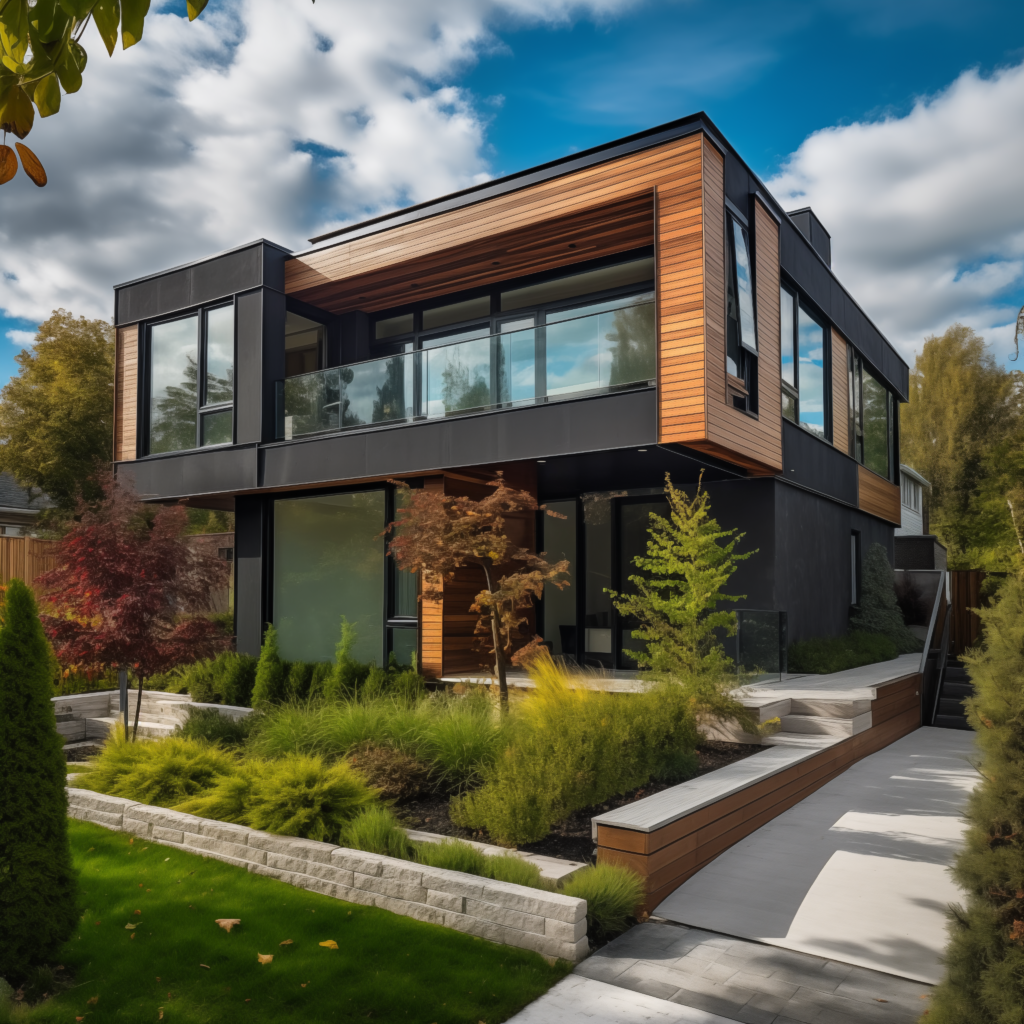
Preparing Your Heritage Home for a Spring 2026 Transformation
Preparing Your Heritage Home for a Spring 2026 Transformation
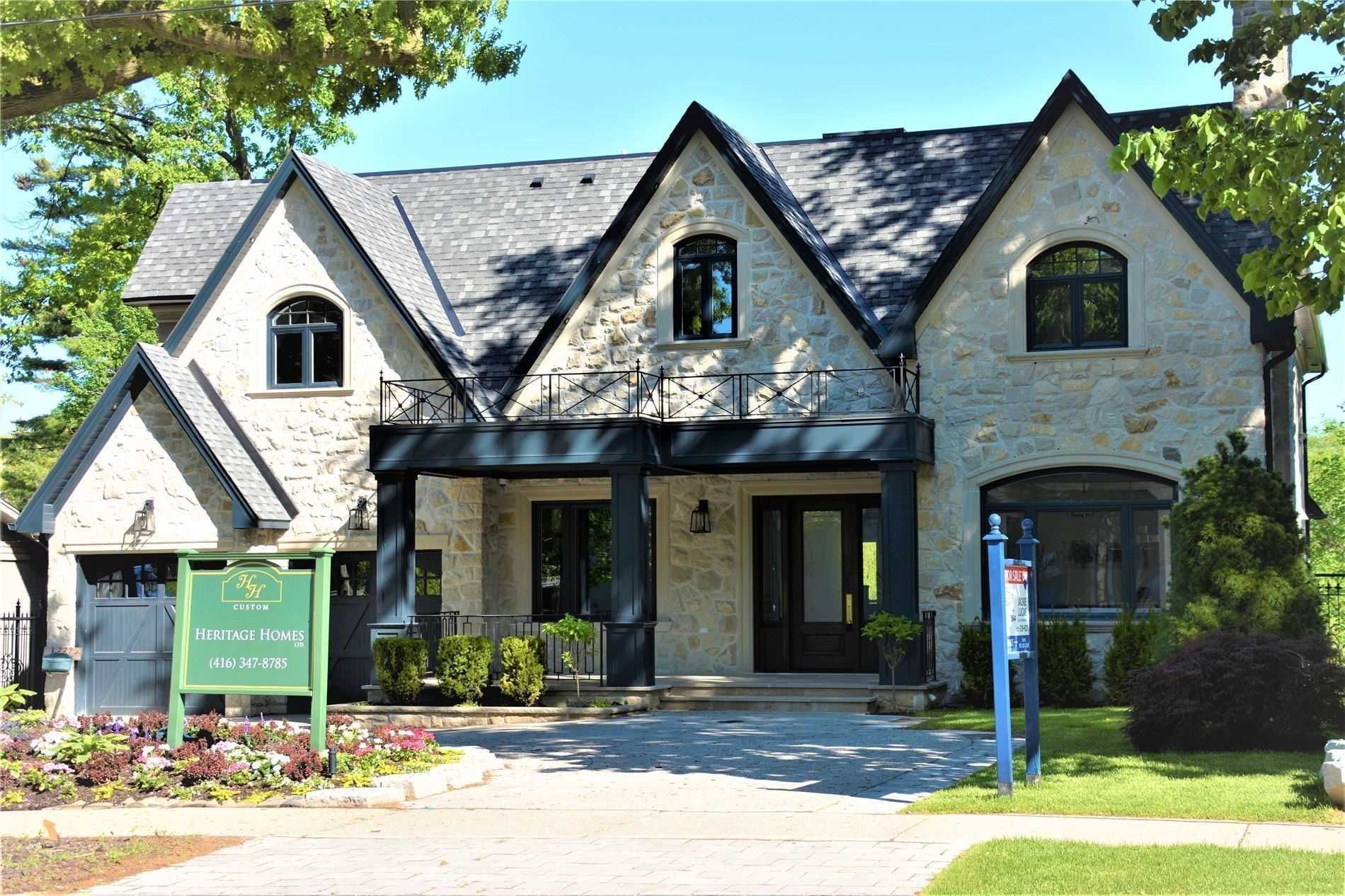
As the snow melts from the gabled roofs of Rosedale and the cherry blossoms begin to bud in High Park, Toronto homeowners are turning their attention to the most ambitious season of the year: spring renovation season. In 2026, the landscape of heritage restoration has shifted. It is no longer just about preserving the past; it is about future-proofing Toronto’s architectural soul.
At Custom Heritage Homes, we’ve spent over three decades navigating the delicate balance between 19th-century craftsmanship and 21st-century living. Led by Peter Czumak since 1988, our team understands that a spring transformation isn't just a construction project—it's a stewardship. If you are planning to revitalize your heritage property this year, here is your essential guide to preparing for a successful Spring 2026 transformation.
1. The 2026 Design Philosophy: "Warm Minimalism" and Sustainability
The trends for 2026 mark a departure from the cold, clinical grays of the last decade. In heritage homes, we are seeing a surge in "Warm Minimalism." This aesthetic prioritizes clean lines and uncluttered spaces but leans into the natural textures already present in historic properties—think exposed brick, restored white oak flooring, and unlacquered brass.
Sustainability is also at the forefront. With stricter energy targets in the GTA, preparing for a spring renovation now involves:
- Energy-Efficient Envelopes: Upgrading insulation and restoring original windows with high-performance, period-accurate glazing.
- Smart Integration: Concealing modern smart-home hubs within custom millwork to maintain the home's historic "visual silence."
- Eco-Friendly Materials: Selecting low-VOC finishes and reclaimed wood that honors the home’s origin while protecting your indoor air quality.
2. Navigating the 2026 Permit Landscape
In Toronto, a heritage home isn't just a house; it’s a piece of the city's identity. Whether your property is "Listed" on the Heritage Register or formally "Designated" under the Ontario Heritage Act, the permit process is your first and most critical hurdle.
For a Spring 2026 start, your paperwork should ideally be in motion months in advance. The City of Toronto now requires comprehensive Heritage Impact Assessments for significant alterations. Our project lead, Hedyeh Czumak, emphasizes that understanding your neighborhood’s specific Heritage Conservation District (HCD) guidelines is vital. For instance, what is permissible in Cabbagetown’s Victorian rows may differ from the requirements for an Edwardian manor in The Annex.
3. The Structural Audit: Looking Beneath the Lath and Plaster
Before the aesthetic transformation begins, the "bones" of the home must be addressed. Historic Toronto homes often hide structural "quirks"—from settling stone foundations to outdated knob-and-tube wiring.
A successful spring transformation begins with a professional structural audit. In 2026, we are seeing more homeowners opt for underpinning to create functional, high-ceilinged basement suites—a specialty of ours. Ensuring your home's structural integrity is verified by experts in architectural and structural engineering (like the team at Custom Heritage Homes) prevents costly mid-renovation "surprises."
4. Partnering for a Holistic Experience
The most successful transformations are those where the builder and homeowner act as partners. Our guiding principle, “Crafting Spaces that Echo Your Lifestyle,” means that we don't just follow a blueprint; we curate an experience.
From the initial 3D rendering to the final coat of paint, our holistic approach ensures that your vision—be it a modern open-concept kitchen or a meticulously restored library—is realized within your budget and timeline.
Blog 2: Why Custom Heritage Homes Leads Toronto’s Boutique Building Landscape
In a city defined by its rapid vertical growth and glass-walled condos, there is a quiet, sophisticated counter-movement. Discerning homeowners are looking backward to move forward, choosing to build or restore homes that possess a character that mass-market builders simply cannot replicate.
At the heart of this niche is Custom Heritage Homes, a firm that has defined the "boutique" experience in Toronto since 1988. But what exactly makes a boutique builder the leader in such a competitive market? It comes down to three pillars: legacy, localized expertise, and the marriage of engineering with artistry.
The Power of 35+ Years of Legacy
When Peter Czumak founded Custom Heritage Homes in 1988, he didn't just start a construction company; he began a lifelong study of Toronto’s architectural DNA. In the boutique building world, experience isn't just a number—it’s an encyclopedia of solutions.
Whether it’s replicating the intricate cornices of a Rosedale estate or solving the unique drainage challenges of a Kingsway lot, our three decades of experience allow us to anticipate challenges before they arise. Unlike high-volume builders, we focus on a select number of projects each year, ensuring that Peter’s "unmatched precision" is applied to every miter joint and masonry choice.
Engineering Meets Heritage Artistry
One of the primary reasons Custom Heritage Homes leads the landscape is our dual-specialty in architectural and structural engineering. Heritage homes require more than just a "face-lift"; they often require complex surgical interventions to support modern lifestyles.
Standard builders often shy away from the complexities of Toronto’s older stock. We thrive on them. Our expertise allows us to:
- Open up floor plans in narrow Victorian homes without compromising structural stability.
- Integrate modern HVAC and plumbing systems into historic walls without disturbing original plasterwork.
- Execute underpinning and foundation reinforcements that turn damp cellars into luxury living spaces.
The Hedyeh Czumak Advantage: Localized Design Leadership
A home is only as successful as its context. With over 20 years of project leadership, Hedyeh Czumak brings a localized perspective that is rare in the industry. She understands that a renovation in Riverdale requires a different design language than a new build in Lorne Park.
Her "keen eye" for materials ensures that your home is on-trend for 2026 while remaining enduringly classic. This boutique approach means you aren't choosing from a catalog of "Model A or Model B." Instead, you are part of a partnership where materials are sourced specifically for your lifestyle, from hand-forged hardware to sustainably harvested hardwoods.
A Holistic, End-to-End Experience
The "boutique" label is often associated with luxury, but at Custom Heritage Homes, it truly stands for peace of mind. We offer a holistic journey that manages the stress of:
- Design & 3D Visualization: Seeing your masterpiece before a single brick is laid.
- Permit Management: Navigating the labyrinth of City Hall and Heritage Boards so you don't have to.
- Project Leadership: A clean, safe, and professional job site where "perfection" isn't a goal—it’s the standard.
As we look toward the future of Toronto’s residential landscape, the value of the boutique builder has never been clearer. It is about more than just square footage; it is about "Crafting Spaces that Echo Your Lifestyle."